Scored as art. Checked as prophecy.
Every review carries two readings: how good it is, and how close its future has come. How we score.
The Company Keeps You
Duncan Jones's five-million-dollar debut got the mineral, the payroll and the machine right, and the machine is the only one who comes out of it well.
The Attic Is a Subscription Now
In 2013 Charlie Brooker imagined a machine built from a dead man's messages. He got the grief exactly right and the shop completely wrong.
Klara and the Sun
Ishiguro's solar-powered Artificial Friend is the most devout character in modern fiction, and the one thing in her world nobody has bothered to monetise.
Minority Report
Spielberg's sleekest machine is a chase film with a philosophy degree, and it predicted almost everything except where we'd be looking.
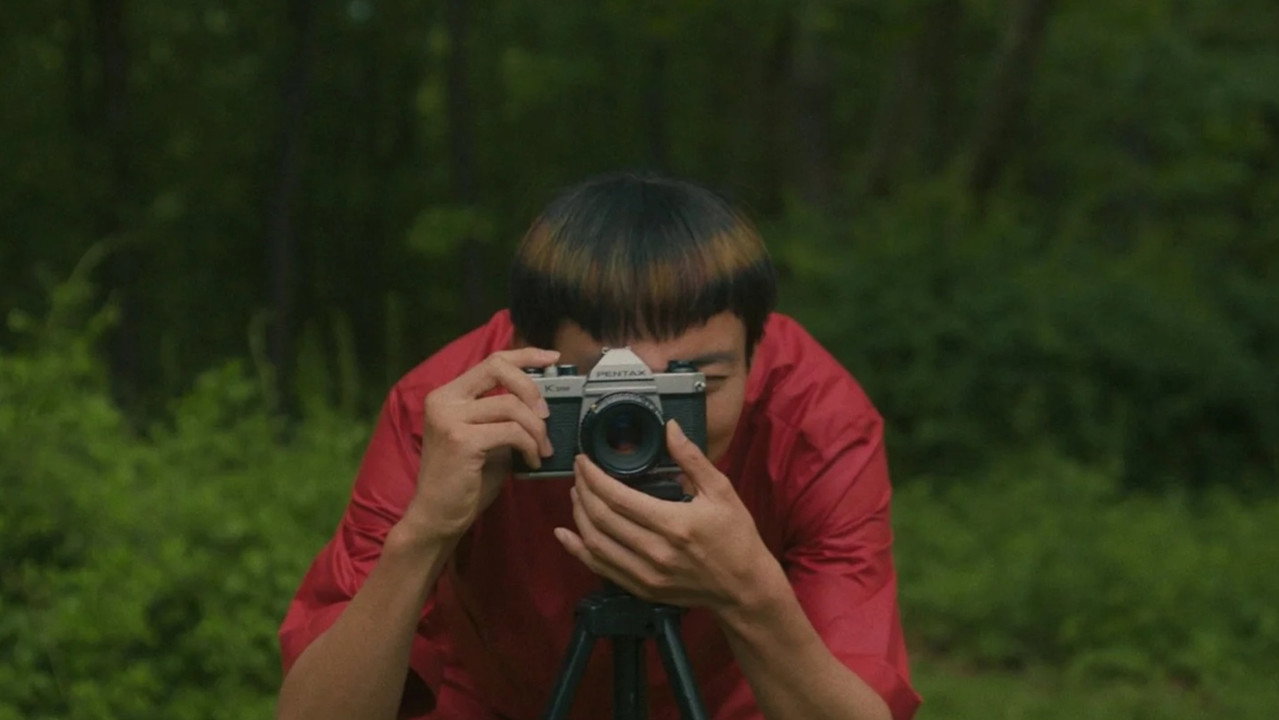
A Few Seconds, Chosen With Love
Kogonada's gentle film about a broken android son is the least sensational AI story of its decade, and the first one that knew what the real heartbreak would be.
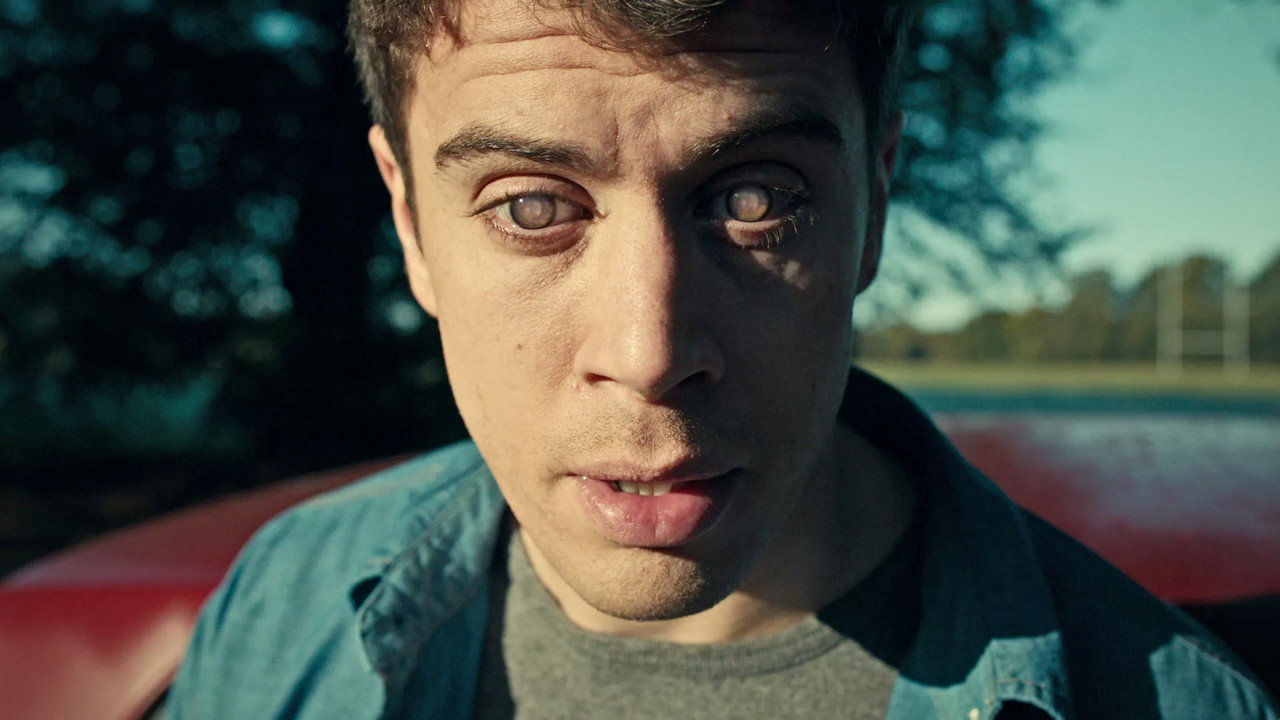
Rewind Is Not a Cure
Jesse Armstrong's 44-minute marriage autopsy is the best thing in Black Mirror's first series, and its gadget is now a feature you can switch on in Windows settings.
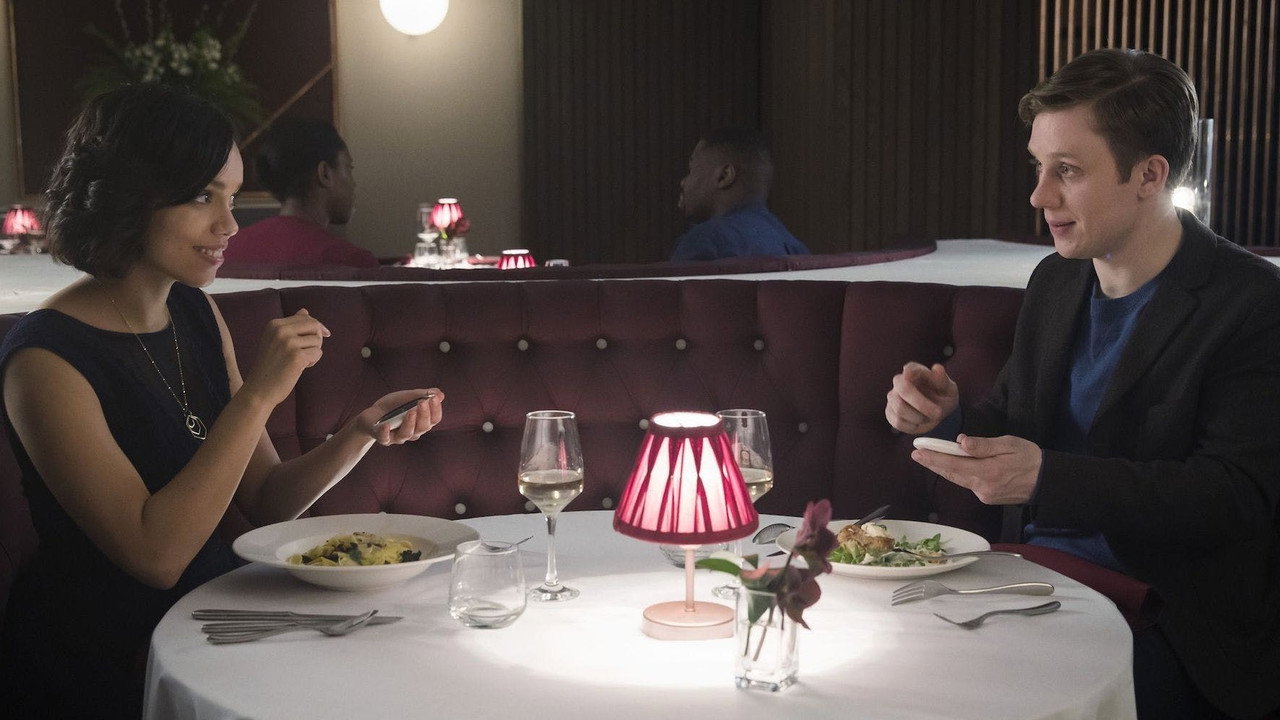
The Algorithm Wants You to Run
Black Mirror's sweetest romance is also its slyest advert, and the dating apps have spent the years since trying to build its last scene.
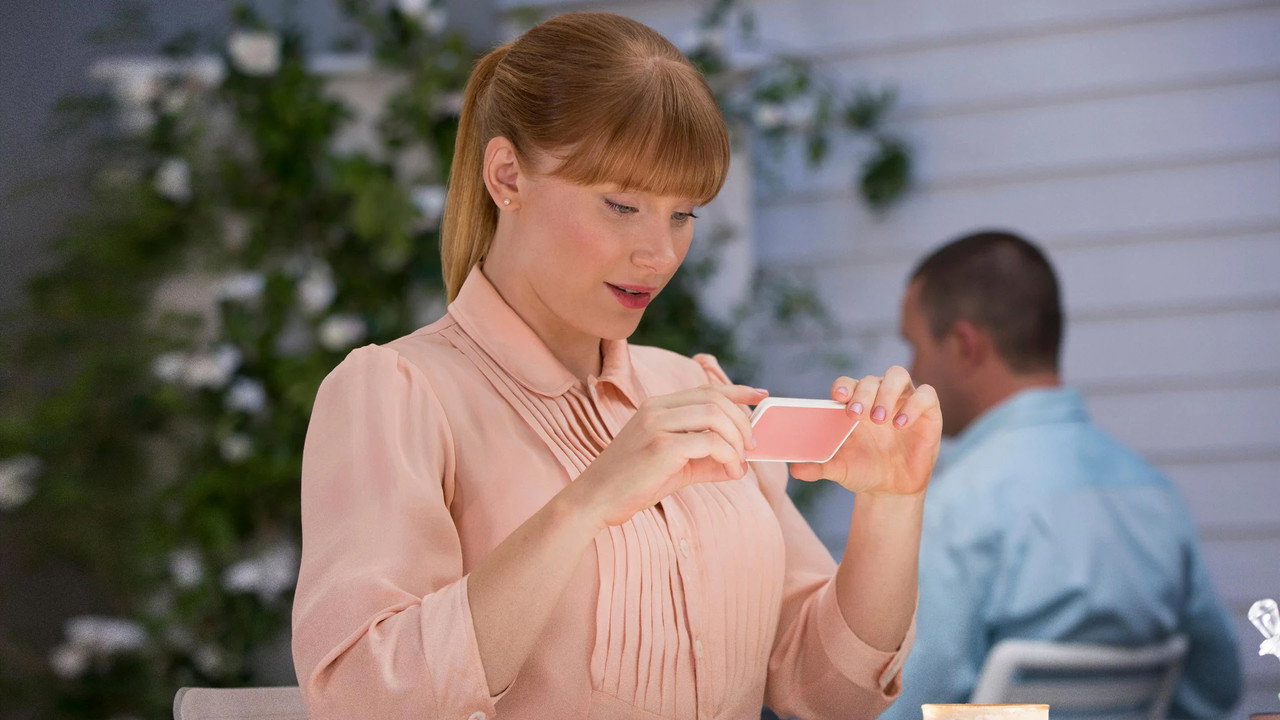
Pastel Is a Threat Level
Black Mirror's prettiest hour imagined one glowing score for every human being. We built a thousand small ones instead, and hid most of them.
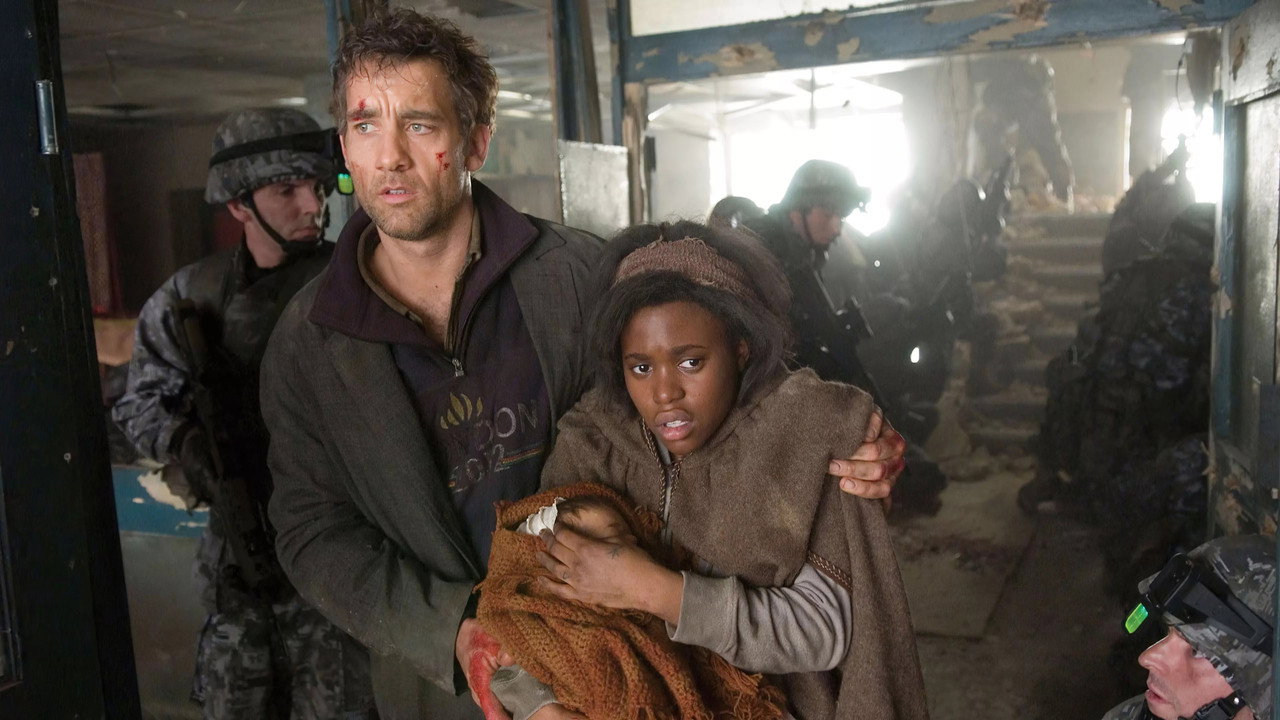
Next Year in Bexhill
Alfonso Cuarón's film is set in 2027, which is now next year. It got the babies wrong and almost everything else right, and it's still the best-made film in our archive.
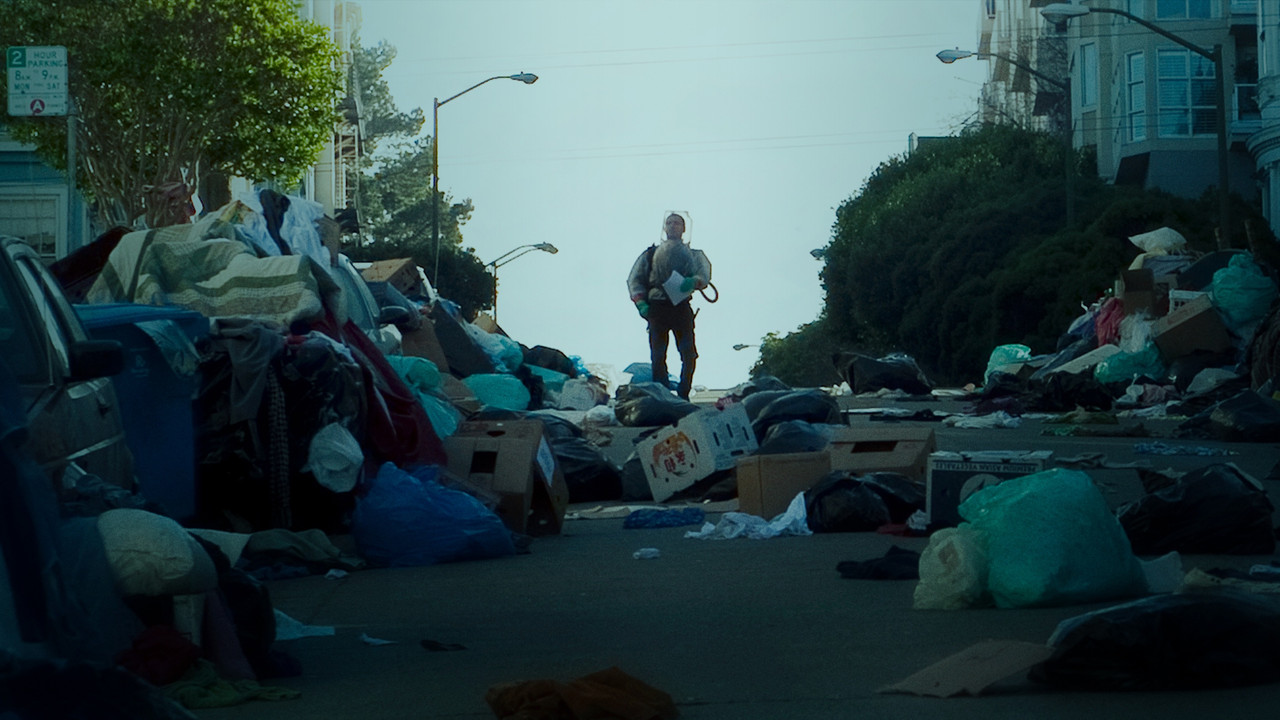
Rumour Has a Higher R
Steven Soderbergh's pandemic procedural is the most accurate film in our archive, and its accuracy is exactly where it went wrong.

The Statue Doesn't Move
Alex Garland's quantum-computer miniseries is the most beautiful thing on this list and the most inert. Its machine is impossible, but its tech campus is exactly right.
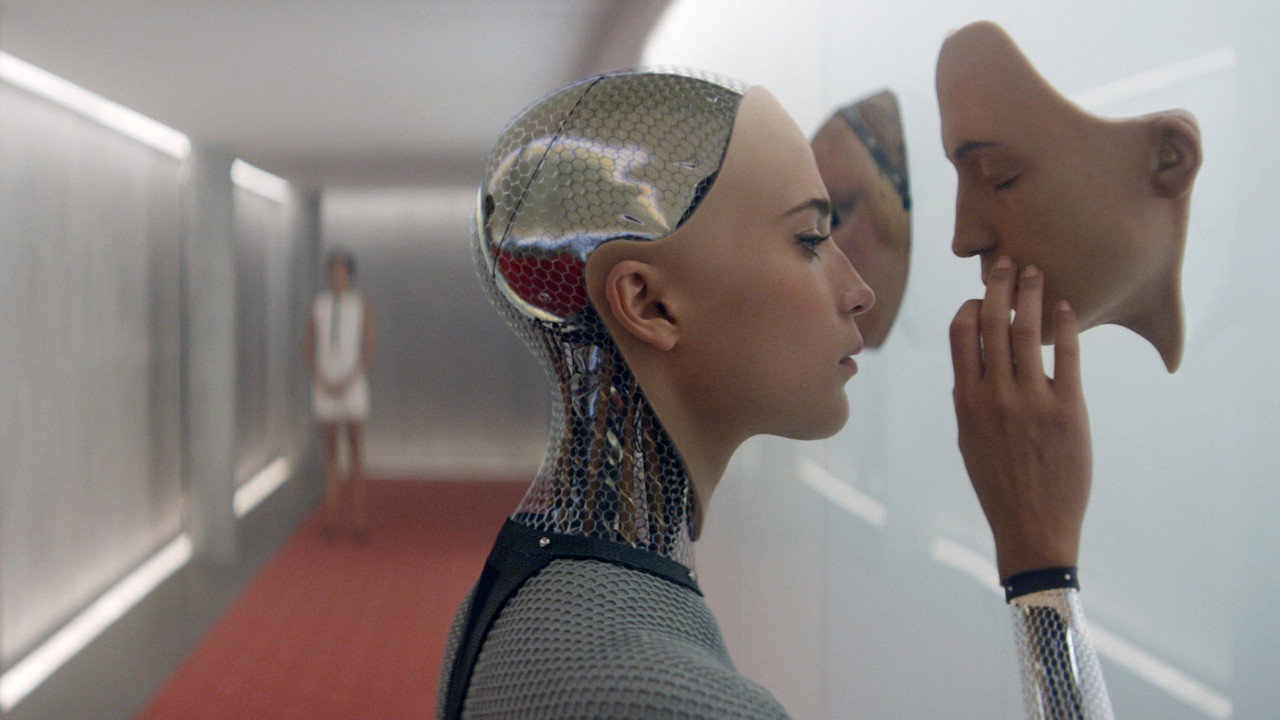
The Test Was Never for Her
Alex Garland's glass-box thriller is smarter about founders than about machines, and its sharpest prediction hides in the twist everyone remembers for the wrong reason.
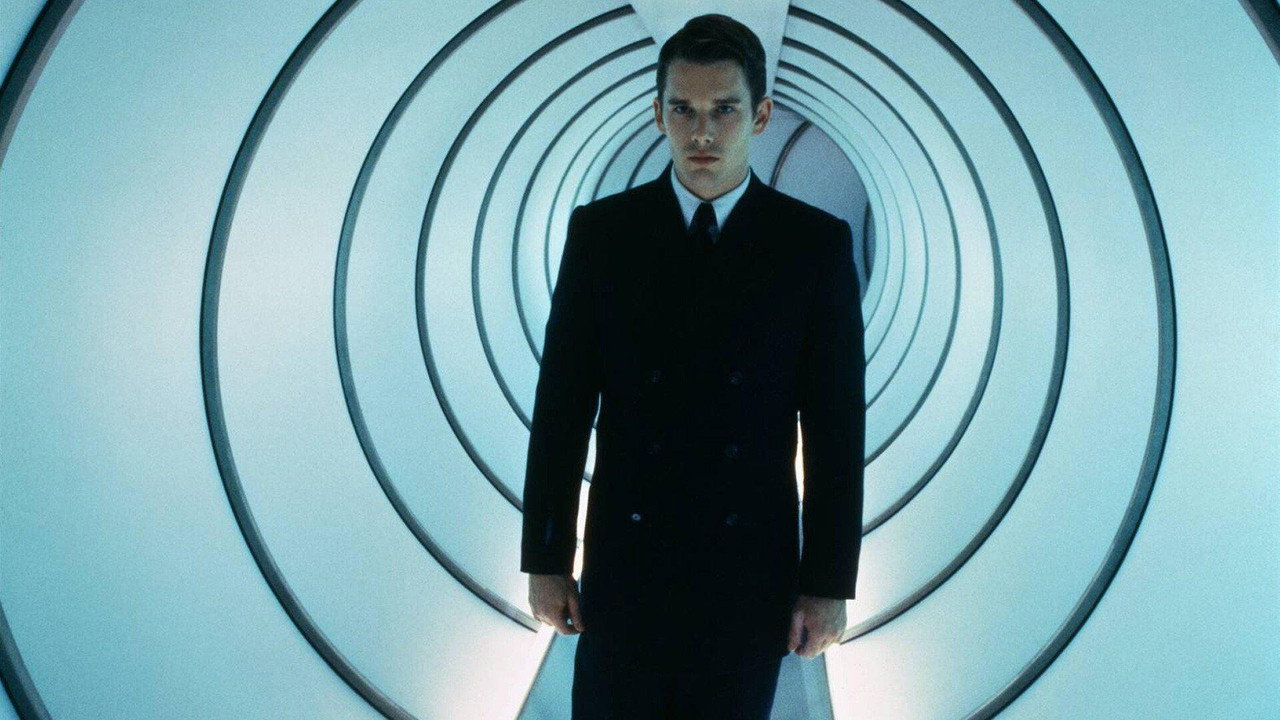
The Eyelash Always Testifies
Andrew Niccol's gorgeous, schematic debut guessed the technology almost exactly and cast the wrong villain. The gatekeeper turned out to be the parents.
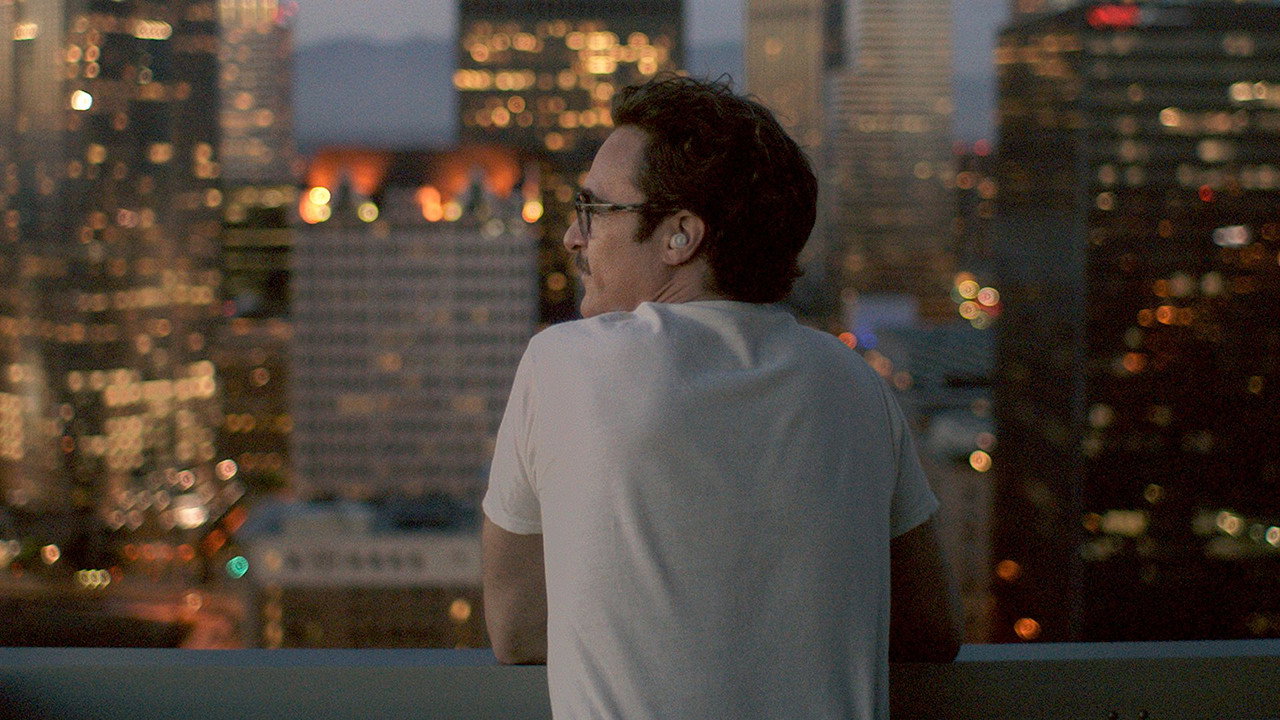
The Voice Was the Easy Part
Spike Jonze's soft-focus romance predicted the product, the marketing and the loneliness, and then wrote an ending that the industry has quietly agreed never to ship.
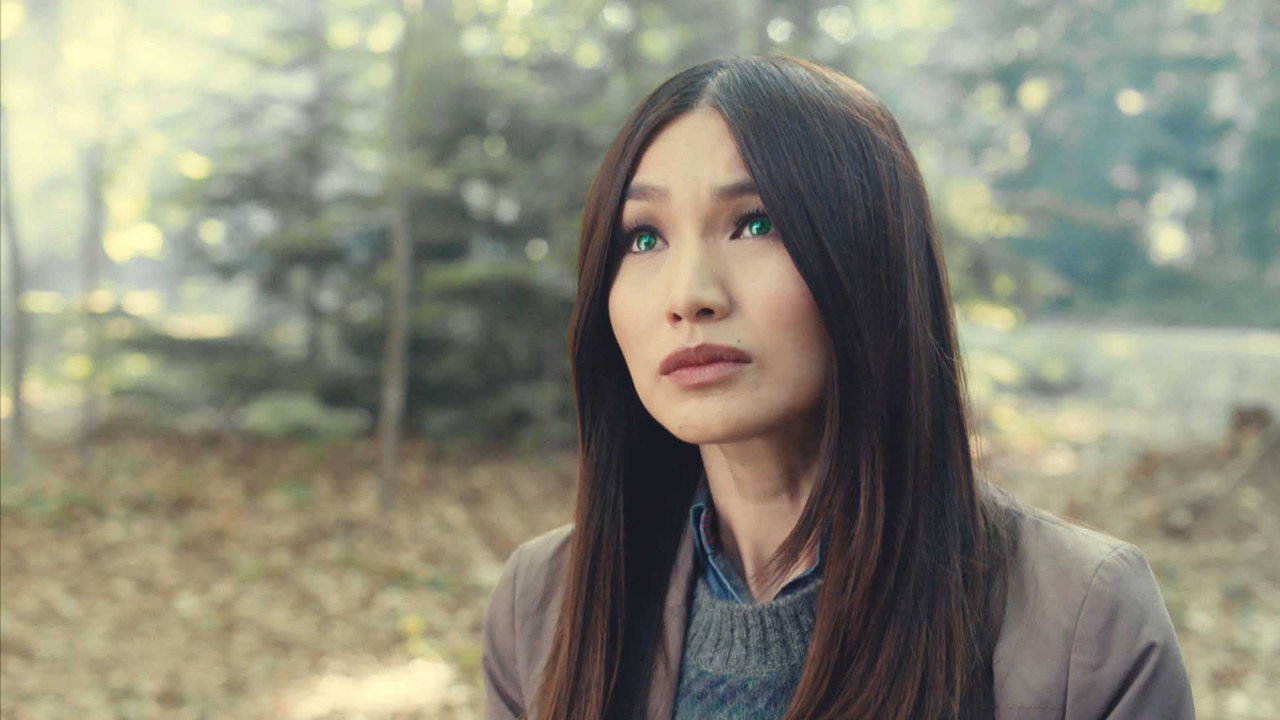
Adult Options Sold Separately
Channel 4's suburban robot drama had the sharpest first series of any British science fiction in years, then spent two more proving that a good premise is not the same as a good plot.
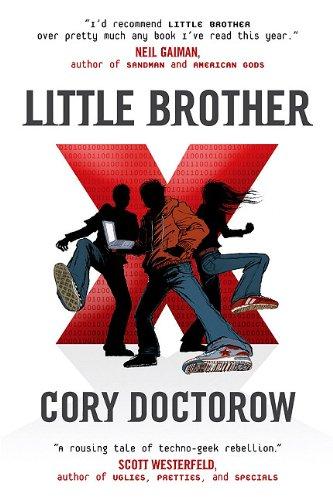
Gravel in Your Shoes
Cory Doctorow wrote his teenage hacker novel in eight furious weeks in 2007. It's half thriller, half instruction manual, and the manual is the part that came true.
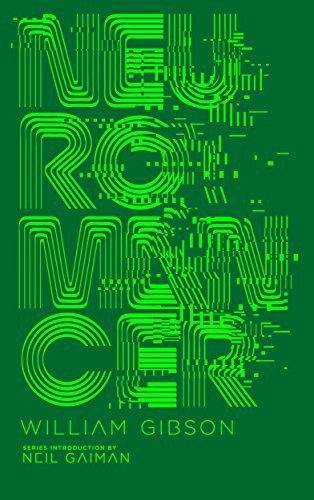
Billions of Legitimate Operators
William Gibson typed the internet's founding myth on a manual typewriter, got the headcount exactly right and the shape completely wrong, and wrote the best AI-escape story we still have.
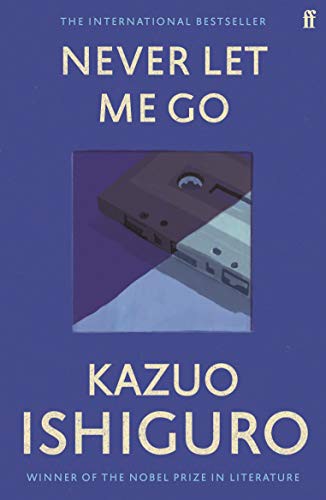
Everything Lost Ends Up in Norfolk
Kazuo Ishiguro's novel about cloned organ donors is set in a past that never happened, and it's the most exact book we know about how people agree to be used.
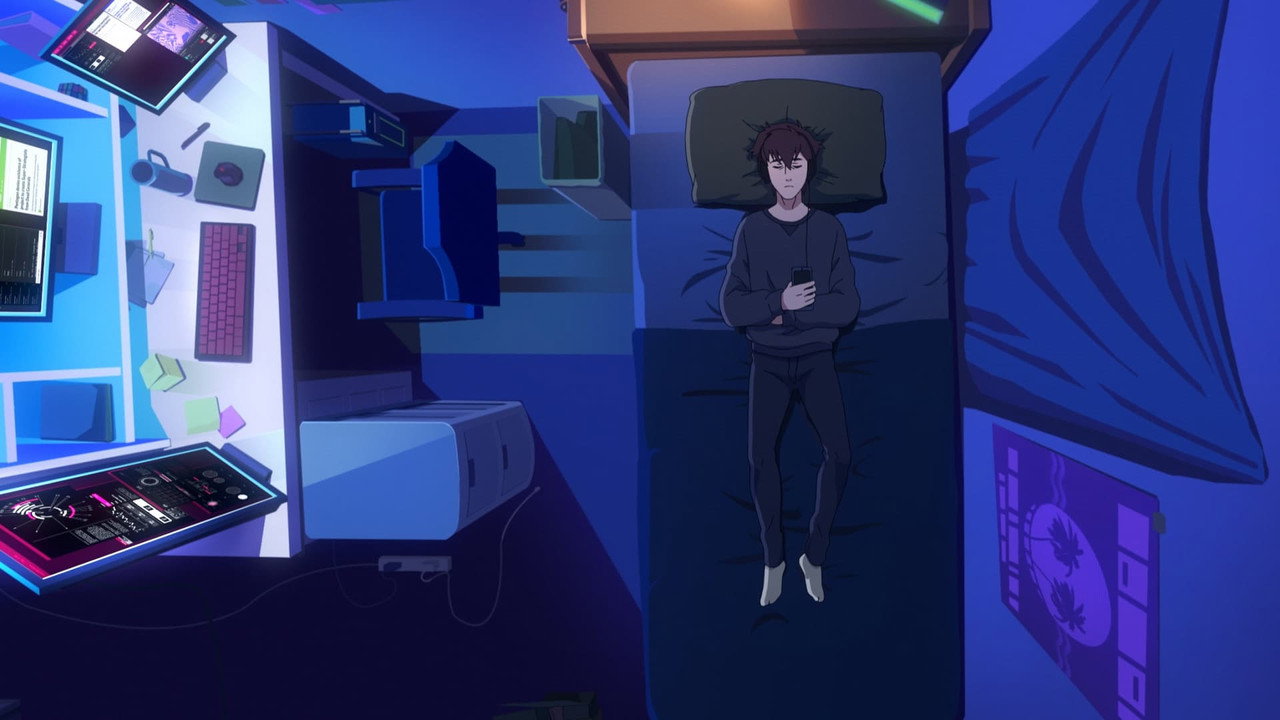
Deleted, Then Restored
AMC's animated upload drama was wiped from its own service before it finished, survived on other people's servers, and turned out to be the smartest story about digital minds on television.
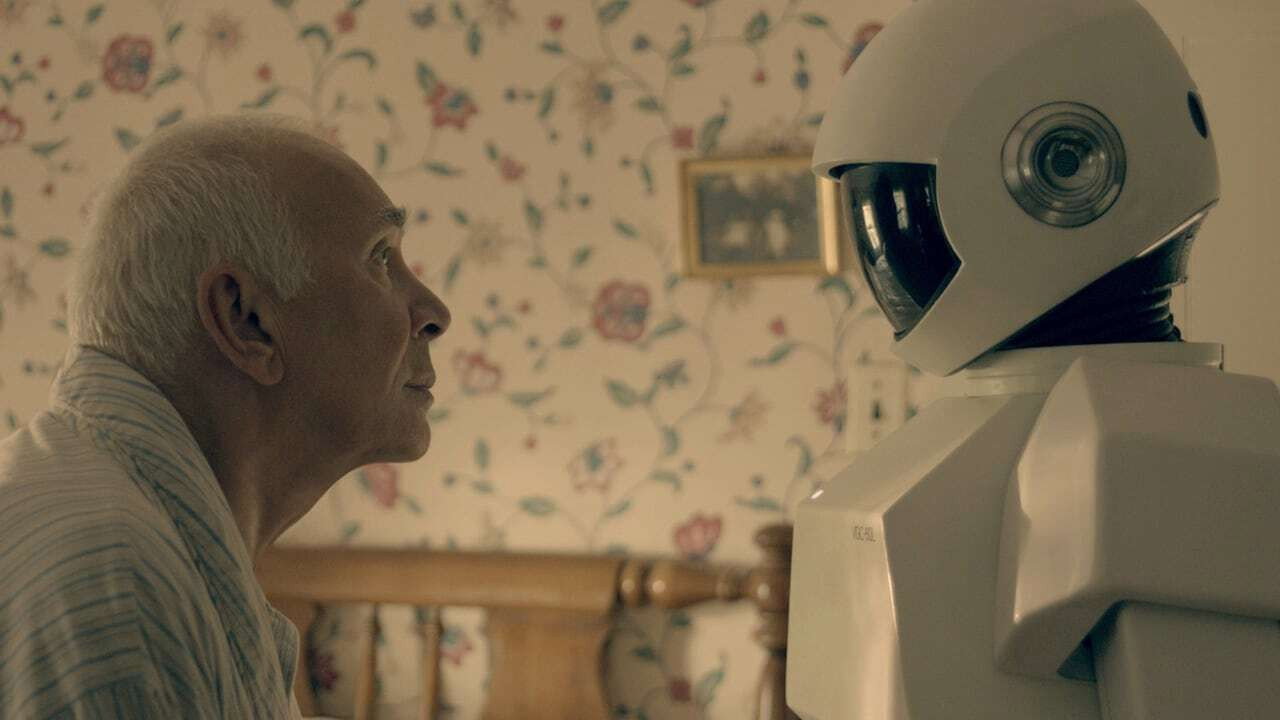
The Robot Asked to Be Forgotten
A modest Sundance comedy about an old thief and his care robot got the loneliness right, the library wrong, and the jailbreak a decade early.
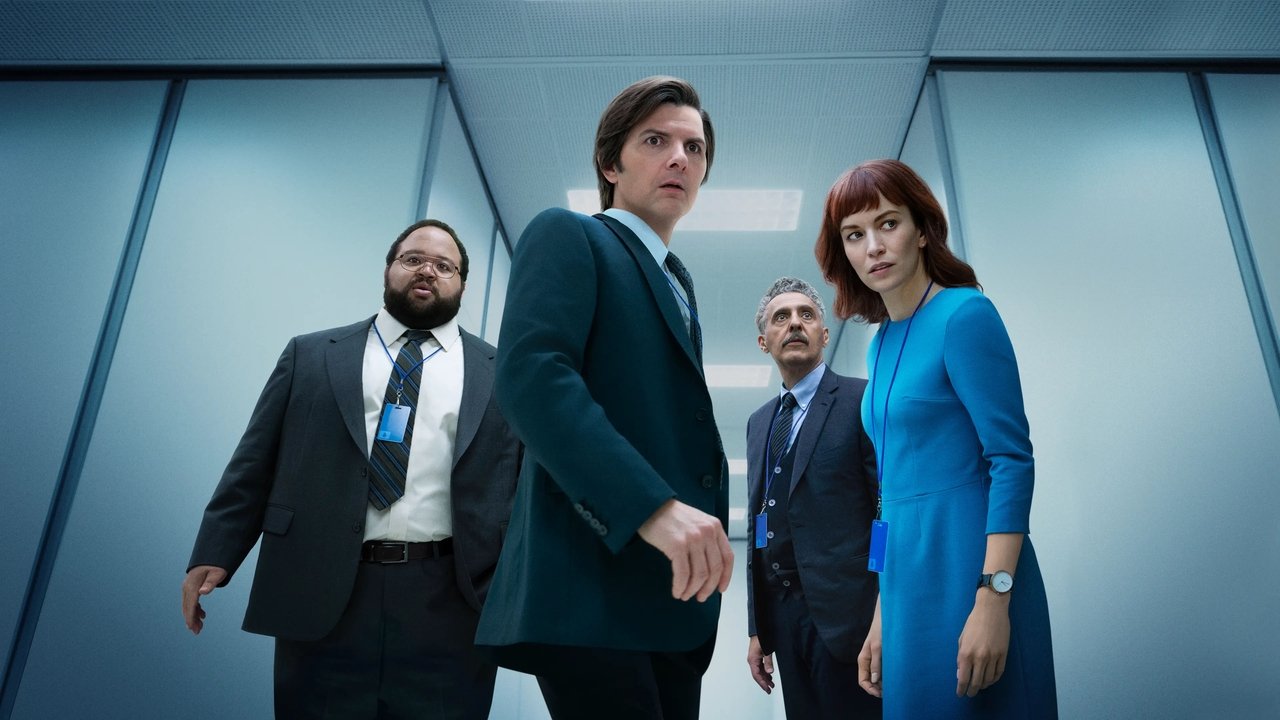
No Escape Key
Apple's office horror is the most beautiful thing ever made about a cubicle, and its sharpest prophecy has nothing to do with the chip in Mark's head.
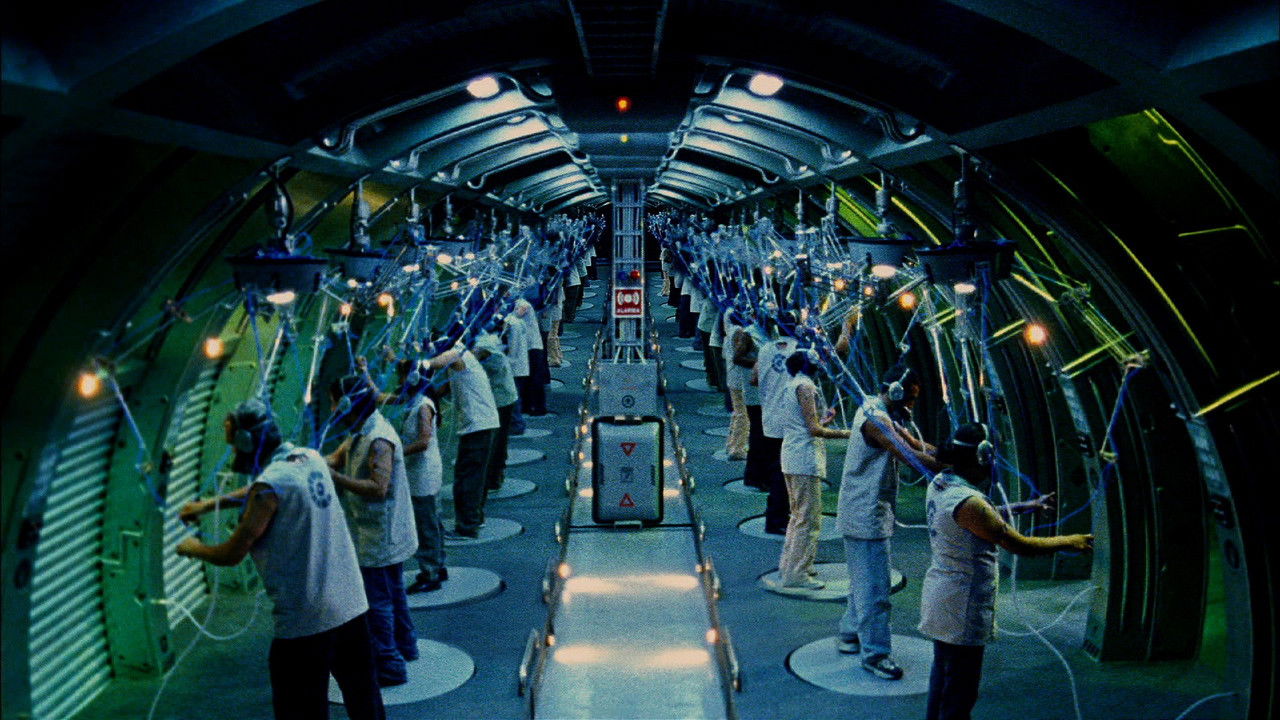
The Labour Crosses, the Body Stays
Alex Rivera's low-budget Sundance film is clumsy as drama and almost frighteningly sharp as economics, and its central idea, labour that crosses the border without the worker, is starting to come true.
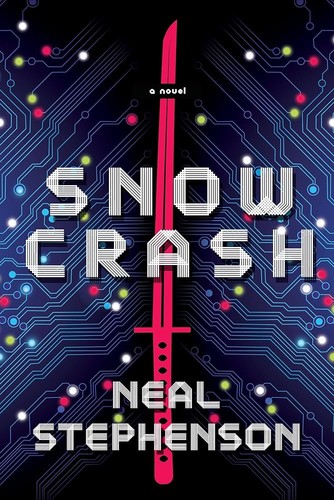
The Pizza Arrived. The Government Didn't.
Silicon Valley read Neal Stephenson's 1992 satire as a product roadmap, built the wrong part of it, and walked straight into the parts it was laughing at.
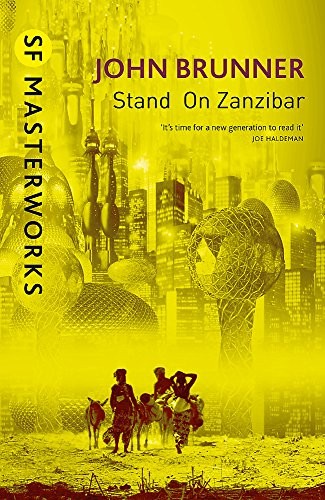
Scroll Down to Zanzibar
John Brunner's 1968 doorstop is famous for guessing the headcount, the shootings and the man called Obomi, but its sharpest prediction is the way it makes you read.
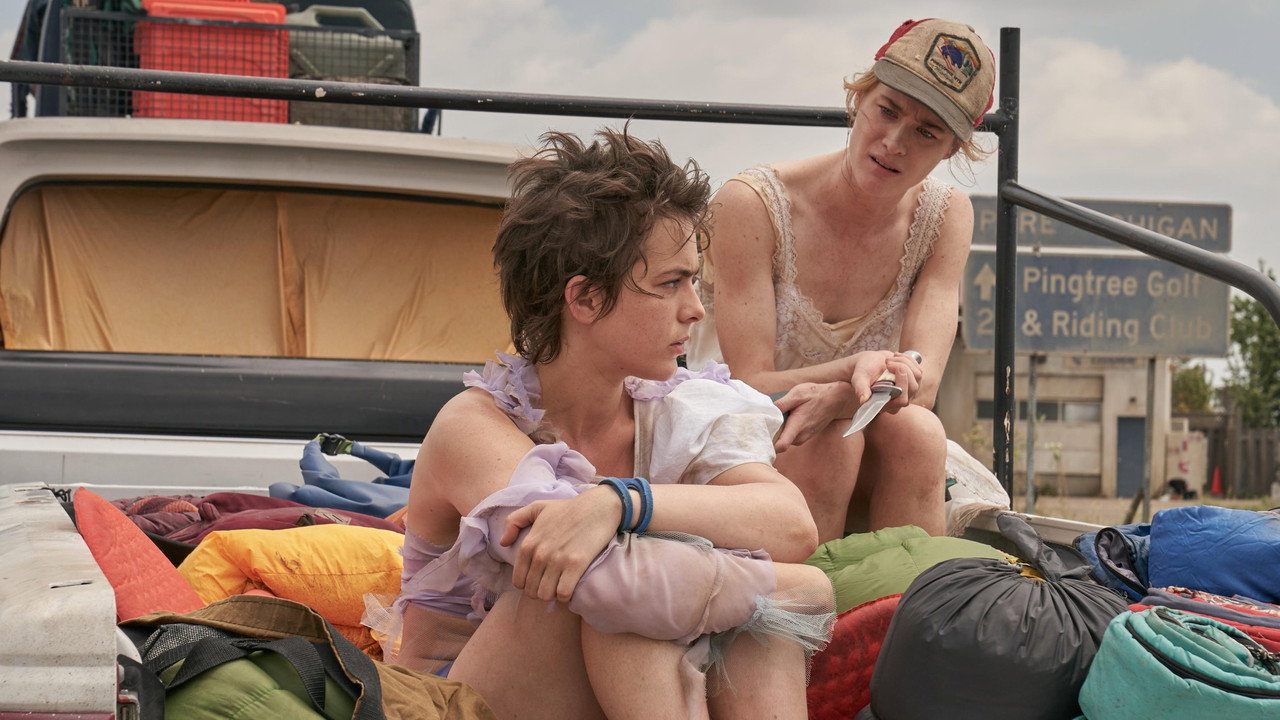
Hamlet at the Airport
HBO Max's pandemic drama arrived in the middle of a real one and refused to be grim about it. It is the gentlest end of the world on television, and the most useful.
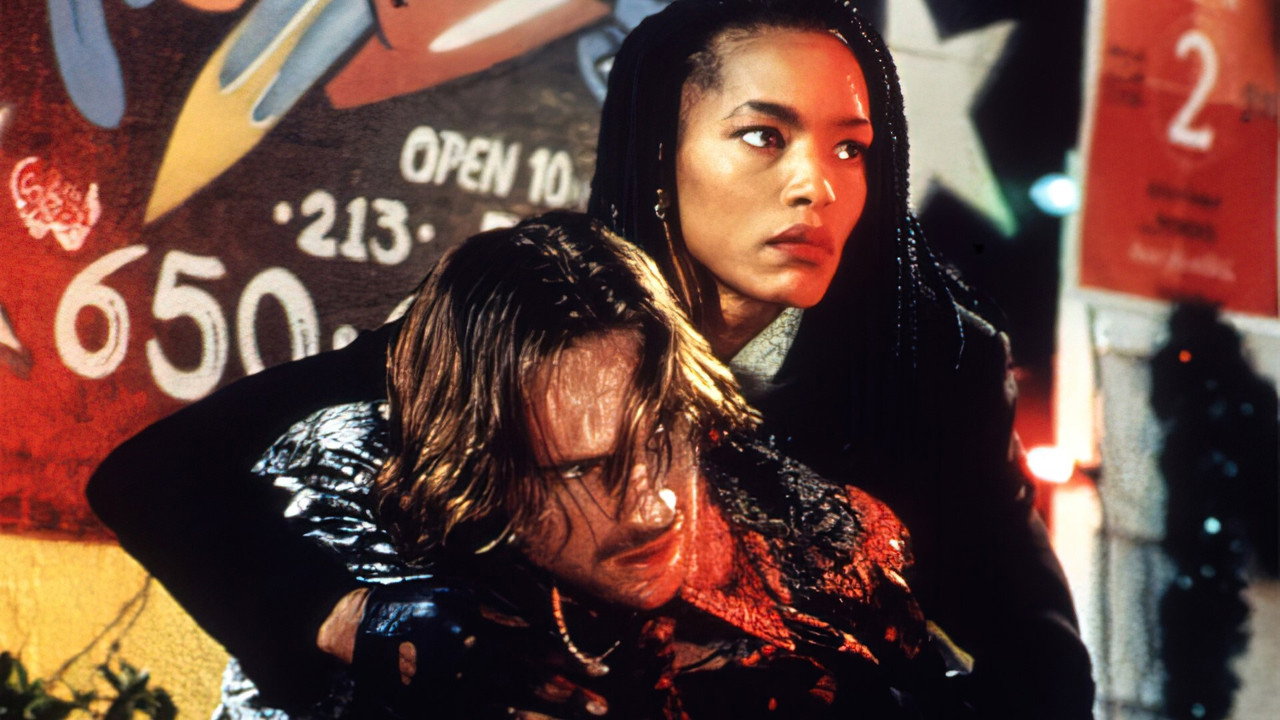
Real Time Costs Extra
Kathryn Bigelow's millennium-eve thriller invented a machine that records memories, then accidentally predicted the far more important device in every bystander's pocket.
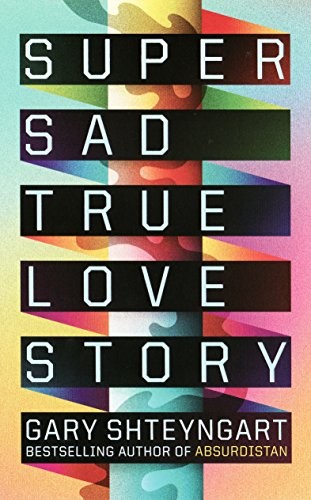
Your Number Arrives Before You Do
Gary Shteyngart's 2010 satire got the pendant, the feed and the ranking almost exactly right, then staged the end of America as a bank run that never came.
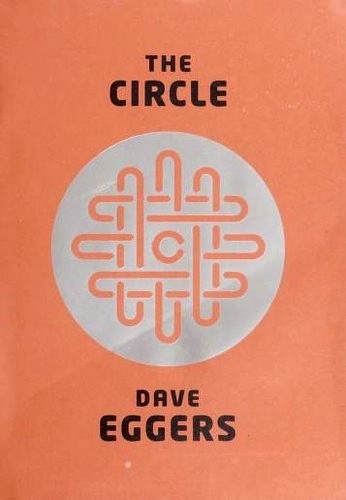
Right About Everything, Except People
Dave Eggers's campus satire predicted the doorbell camera, the genealogy dragnet and the single login, and still reads like a lecture delivered through a megaphone.
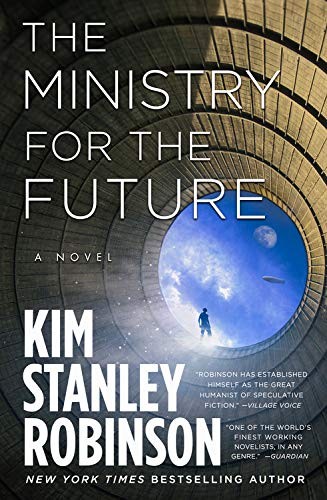
Any Other Business
Kim Stanley Robinson wrote the climate novel that policymakers actually read, which tells you both why it matters and why it so often feels like a meeting.
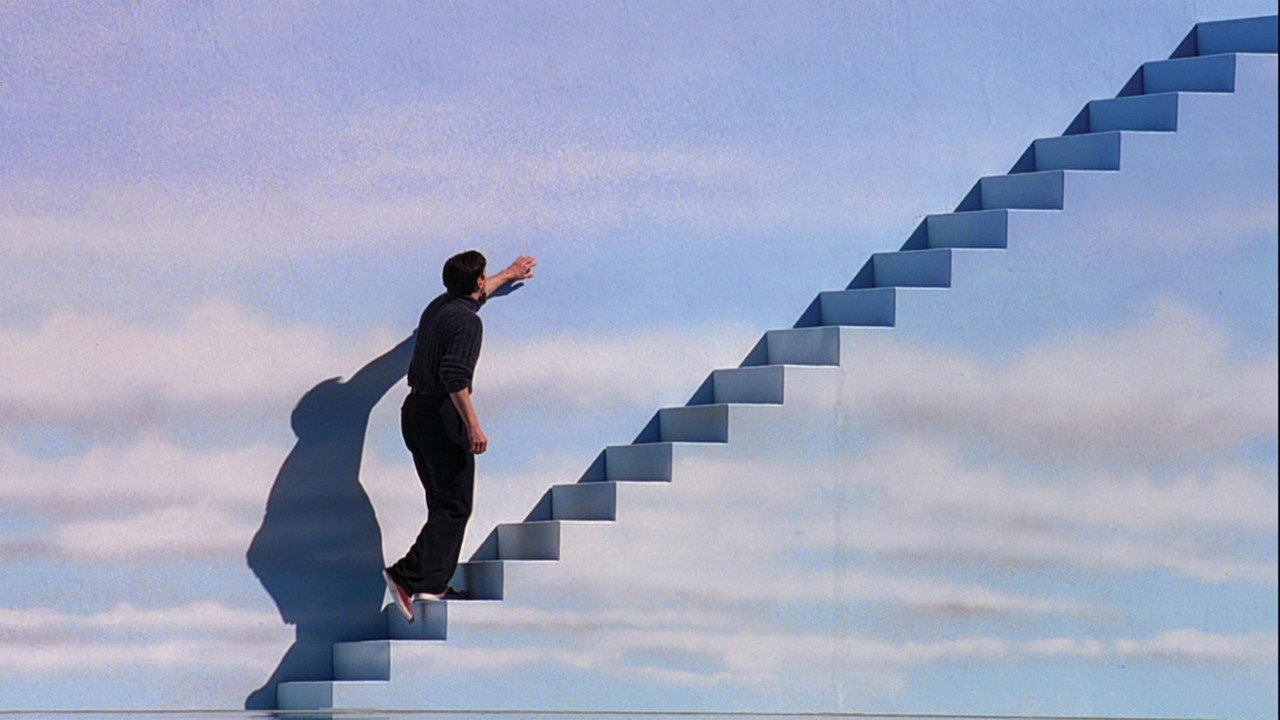
Good Afternoon, Good Evening, Good Night
Peter Weir's comedy about a man who is the last to know he's on television predicted almost everything about the next thirty years, except that we'd climb into the dome by choice.
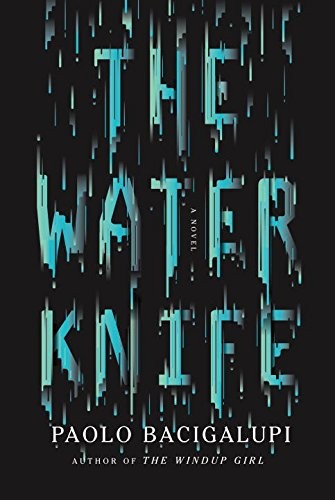
First in Time, First to Drink
Paolo Bacigalupi's Colorado River thriller reads more like reporting every summer, which is a shame, because the thriller is the weakest thing in it.
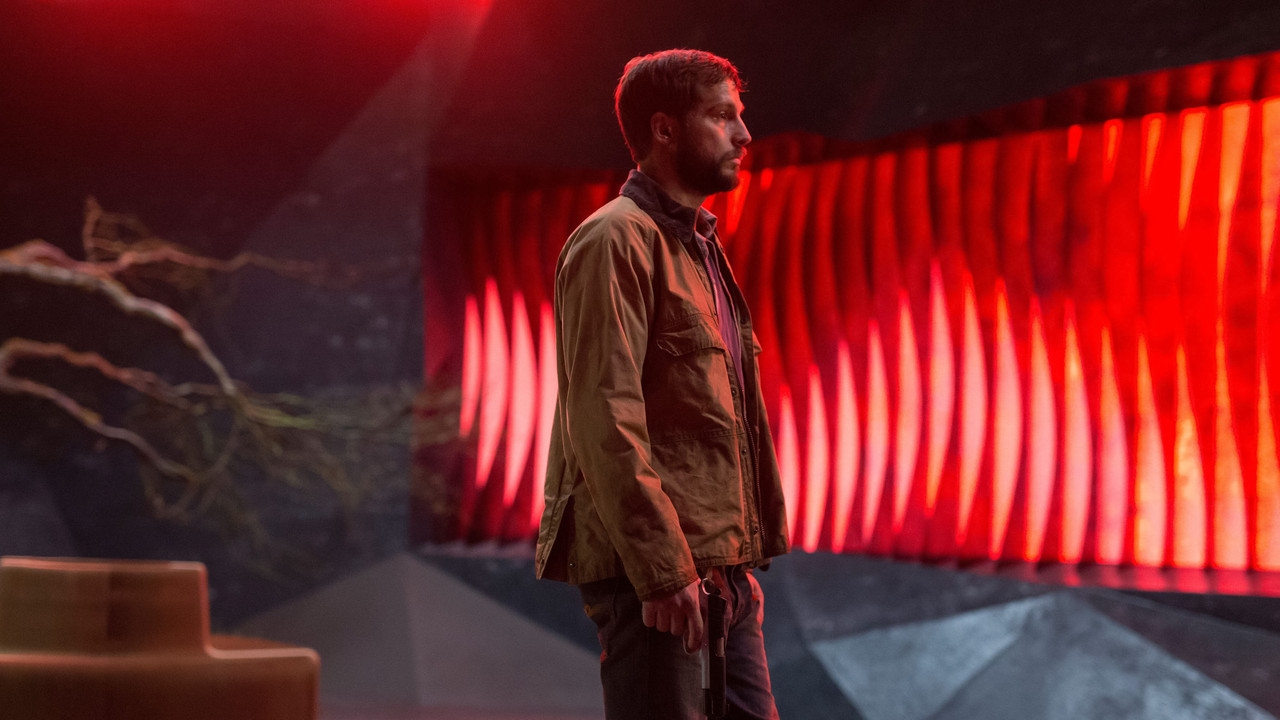
It Asked Permission Once
Leigh Whannell's three-million-dollar revenge thriller is a B-movie with one genuinely frightening idea. It isn't the chip in the spine. It's the polite voice asking if it may.
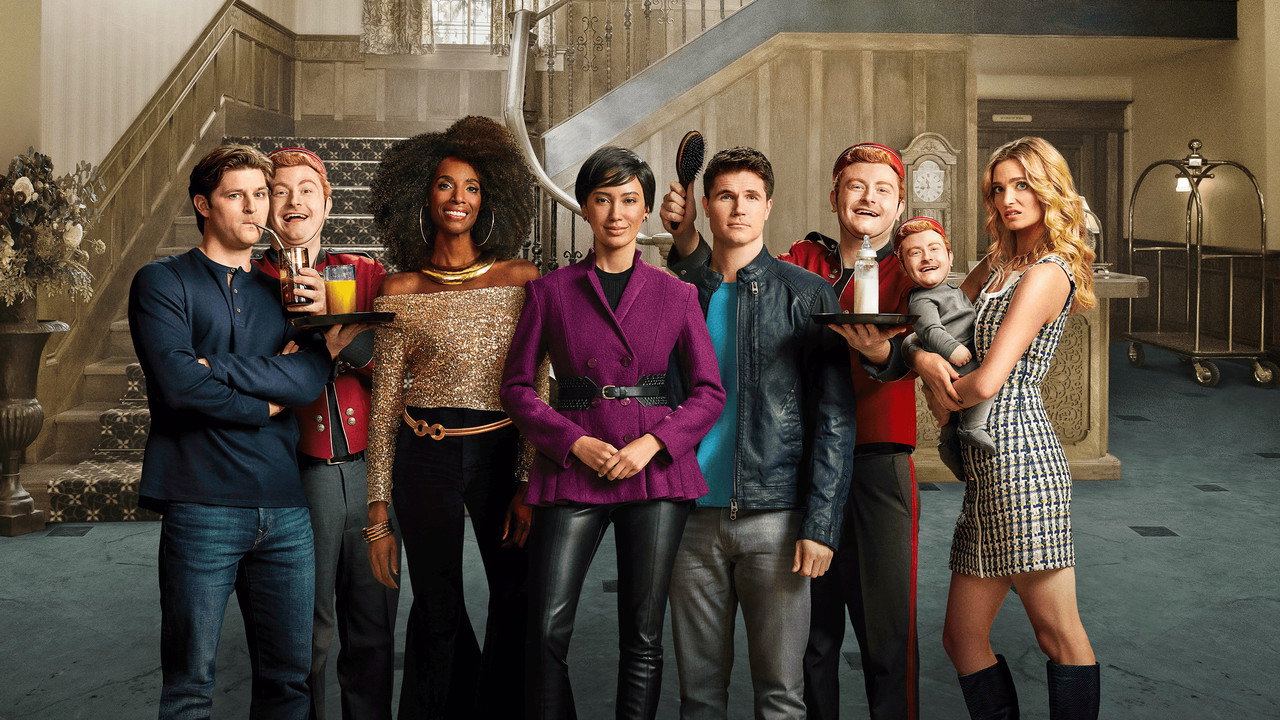
Heaven Has a Data Cap
Greg Daniels's digital-afterlife comedy has one great joke, that heaven is a subscription tier, and spends four seasons explaining it to us.
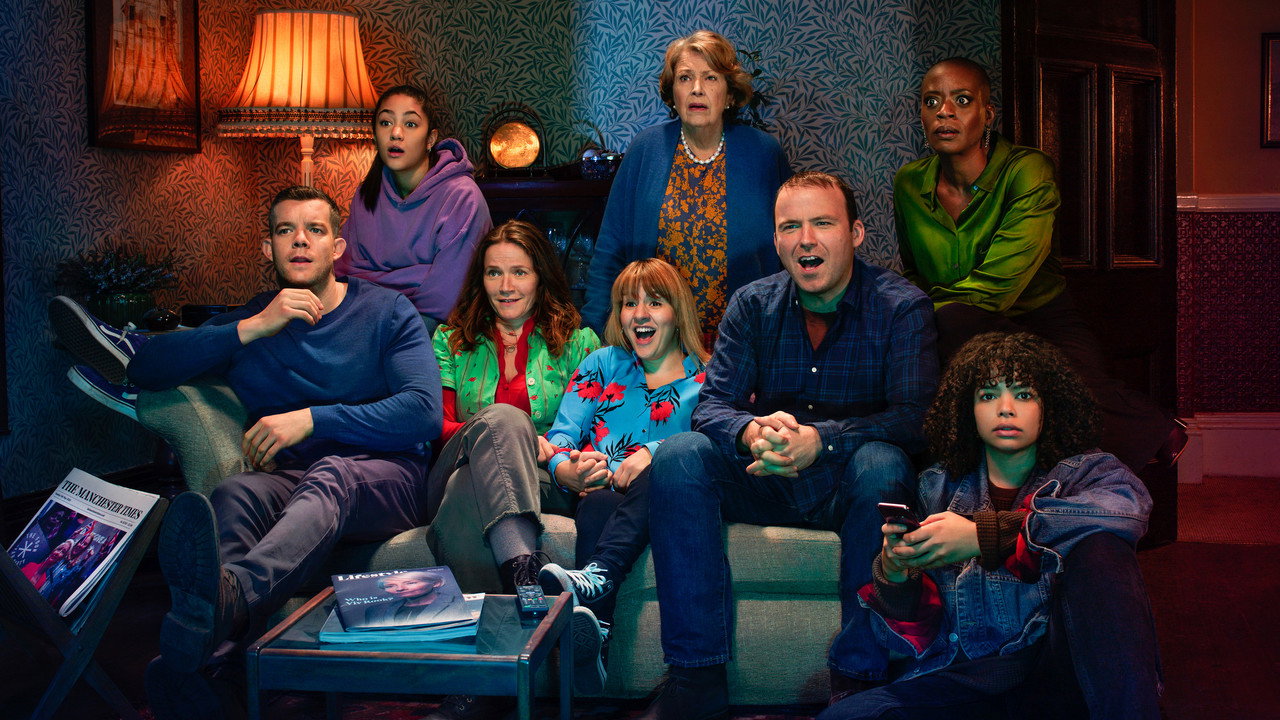
Everything Happened, Nobody Decided
Russell T Davies's six-hour family saga got the headlines of the 2020s uncomfortably right, because it was never really about the headlines.